## Grinding‑wheel Aspects
Select Appropriate Grit Size: The grit size of a grinding wheel directly affects surface roughness. A smaller grit number indicates coarser abrasive grains, suitable for rough grinding; a larger grit number represents finer grains for finish grinding to achieve superior surface quality. For example, grit 36‑60 wheels can be used for rough grinding, while grit 80‑120 wheels are adopted for finish grinding.
Dress the Grinding Wheel Timely: After a period of operation, abrasive grains become dull and the geometric profile of the working surface distorts, which degrades surface roughness. Dress the wheel with tools such as diamond pens to expose sharp new abrasive grains on the surface. For instance, perform dressing after grinding a certain batch of workpieces.
Choose Proper Hardness: Grinding‑wheel hardness refers to how easily abrasive grains detach from the wheel surface under grinding force. An excessively hard wheel retains worn grains and tends to produce scratches on workpiece surfaces. An overly soft wheel suffers rapid grain loss and struggles to maintain its profile. Select wheel hardness according to workpiece material and grinding requirements: use softer wheels for hard materials and harder wheels for soft materials.
## Grinding‑parameter Aspects
Optimize Grinding Speed: Higher grinding speed brings more abrasive grains into cutting per unit time and reduces chip thickness, thus lowering surface roughness. Nevertheless, excessive speed generates abundant grinding heat and may cause workpiece surface burn. For example, keep the grinding speed at 30‑35 m/s when grinding ordinary steel.
Adjust Feed Rate: Excessive longitudinal or cross feed rate leaves deep cutting marks and worsens surface roughness. Moderately reducing feed rate effectively improves surface quality. However, too‑small feed rate lowers processing efficiency, so parameters shall be adjusted according to practical conditions.
Control Grinding Depth: Large grinding depth increases grinding force and heat, which easily causes surface burn and higher roughness. On the premise of guaranteed efficiency, minimize grinding depth and adopt multi‑pass grinding to gradually reach required dimensional accuracy and surface quality.
## Process‑system Aspects
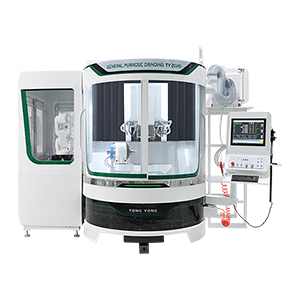
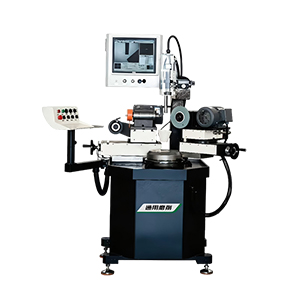
Improve Machine‑tool Accuracy: Machine‑tool performance including spindle rotational accuracy and guideway straightness directly determines ground surface quality. Conduct regular maintenance, inspection and calibration to keep the machine tool in good working condition.
Ensure Firm Workpiece Clamping: Loose clamping induces vibration during grinding and deteriorates surface roughness. Adopt suitable clamping solutions such as chucks, centers and fixtures based on workpiece shape and dimension. Apply appropriate clamping force to avoid workpiece deformation.
## Grinding‑fluid Aspects
Select Suitable Grinding Fluid: Different workpiece materials and grinding processes require corresponding grinding fluids. For example, emulsion fits ordinary steel grinding; extreme‑pressure emulsion or synthetic cutting fluid delivers better roughness reduction for high‑strength alloy steel.
Ensure Sufficient Supply: Guarantee adequate flow rate and pressure of grinding fluid to realize full cooling, lubrication and cleaning functions. Remove impurities and grinding swarf from grinding fluid in time to prevent scratches on workpiece surfaces.