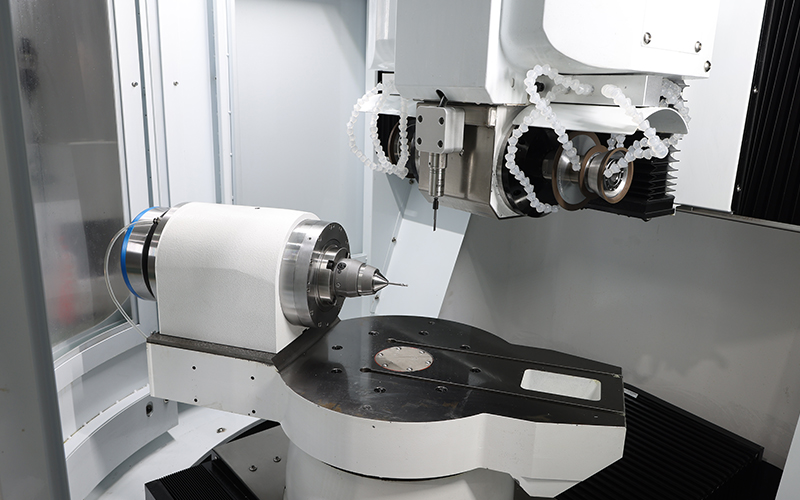
Select Appropriate Grit Size: The grit size of a grinding wheel directly affects surface roughness. A smaller grit number indicates coarser abrasive grains, suitable for rough grinding; a larger grit number represents finer grains for finish grinding to achieve superior surface quality. For example, grit 36‑60 wheels can be used for rough grinding, while grit 80‑120 wheels are adopted for finish grinding.
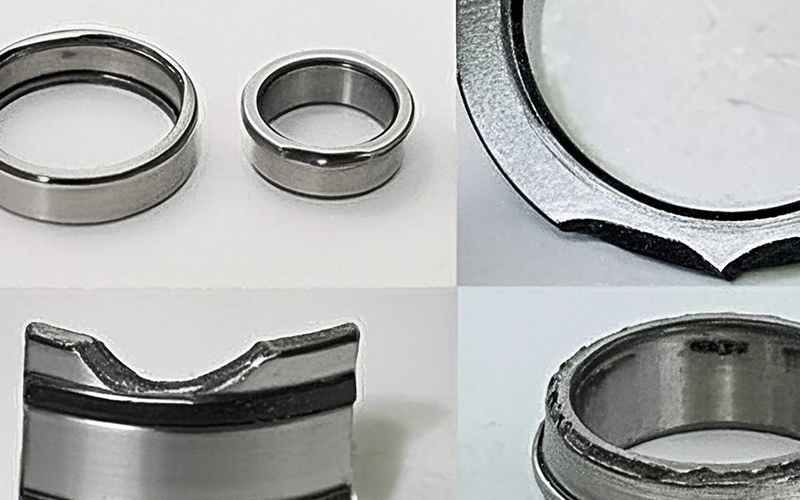
To determine whether surface burn is caused by improper selection of grinding parameters, analysis can be carried out from the following aspects:
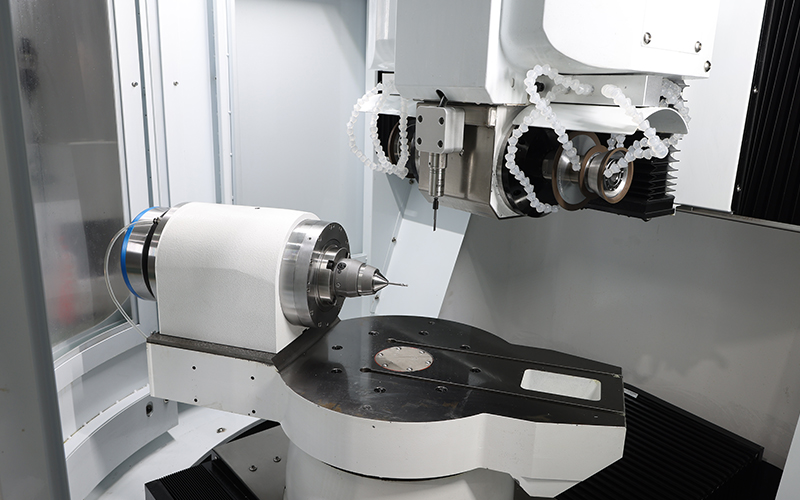
High Machining Accuracy: It delivers excellent dimensional, geometric and positional accuracy. Dimensional accuracy can reach ±0.01 mm or better, and surface roughness ranges from Ra0.8 to Ra0.2 μm, meeting the machining requirements of diverse precision parts.
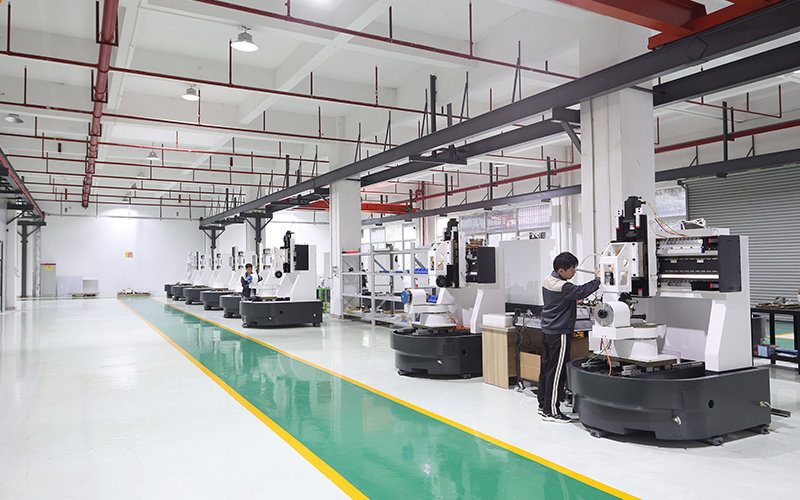
Machine‑tool Vibration: Vibration may occur during operation of machine‑tool components such as spindles and motors. Transmitted to workpieces and grinding wheels, such vibration causes ripples on workpiece surfaces. For example, worn spindle bearings and unbalanced motors can trigger vibration.

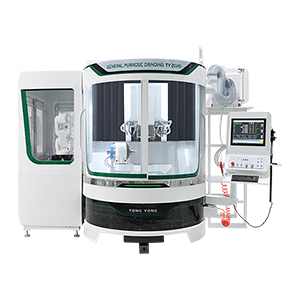
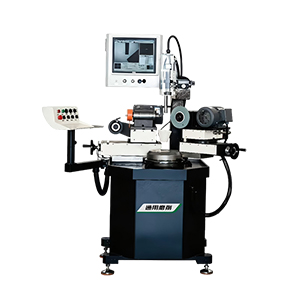
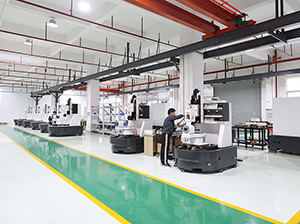
As one of the most vital equipment in the manufacturing industry, precision CNC grinding machines have attracted wide attention for their future development trends. With continuous advances in technology and shifts in market demand, constant innovation is taking place within the grinding‑machine manufacturing sector. Let us explore the future development directions and prospects of precision CNC grinding machines.